
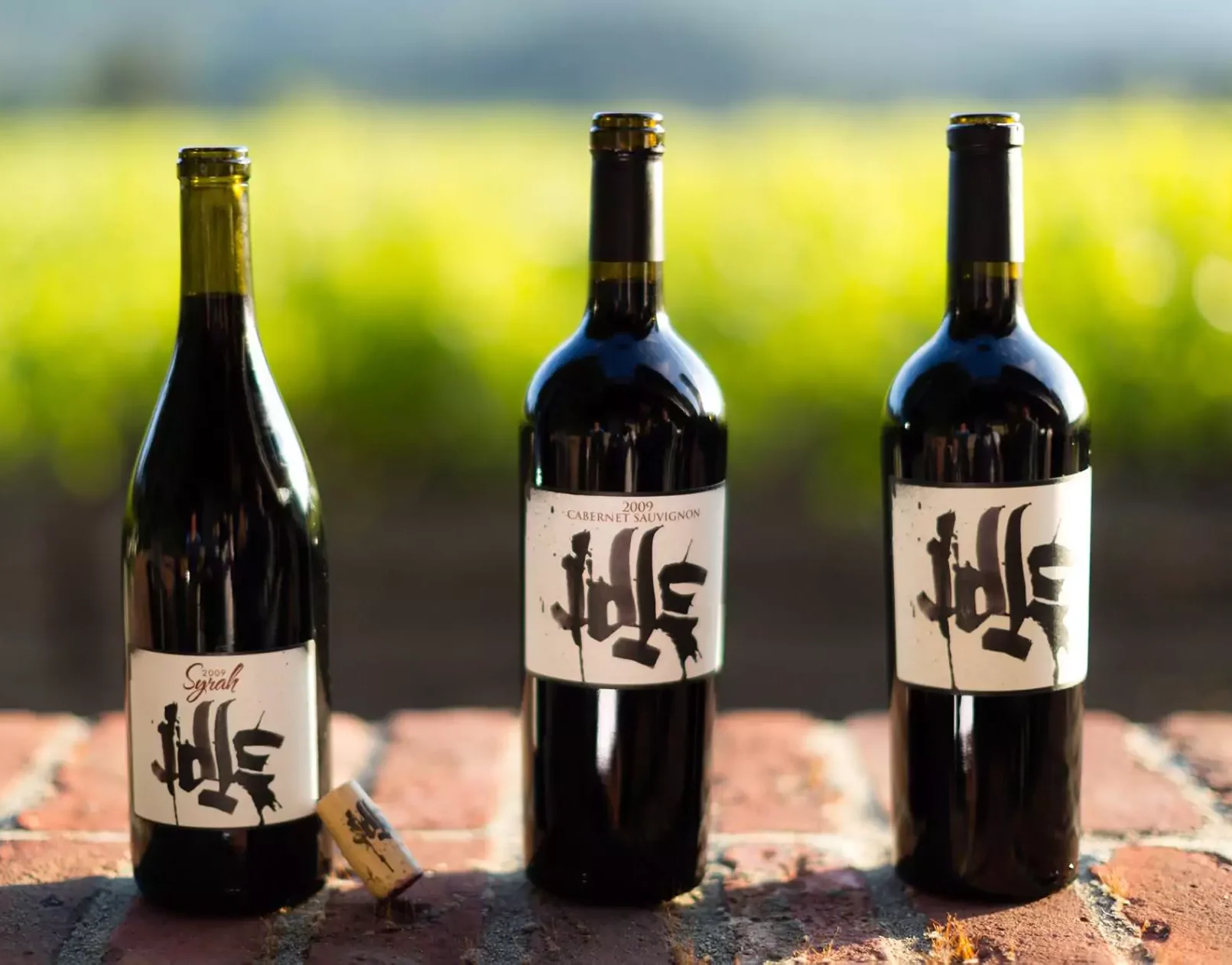
The 7 Best Varietals from Sonoma Valley and Why Cabernet Franc from Idle Cellars Stands Out
Sonoma Valley, located in Sonoma County, California, has earned a reputation as one of the most respected wine-producing regions in the United States. Known for its diverse landscape, cool coastal breezes, and passionate winemakers, the region produces a wide range of wines that reflect both tradition and innovation. When discussing the best varietals from Sonoma Valley, one quickly realizes that this region is not defined by a single grape but by a rich mosaic of styles and expressions.
Wine enthusiasts from across the globe travel to Sonoma to experience its vineyards, taste its wines, and understand the terroir that shapes them. From bold reds to crisp whites, Sonoma County wines offer a spectrum of flavors that cater to both casual drinkers and seasoned collectors.
What Makes Sonoma County Unique for Winemaking
Climate diversity and microclimates
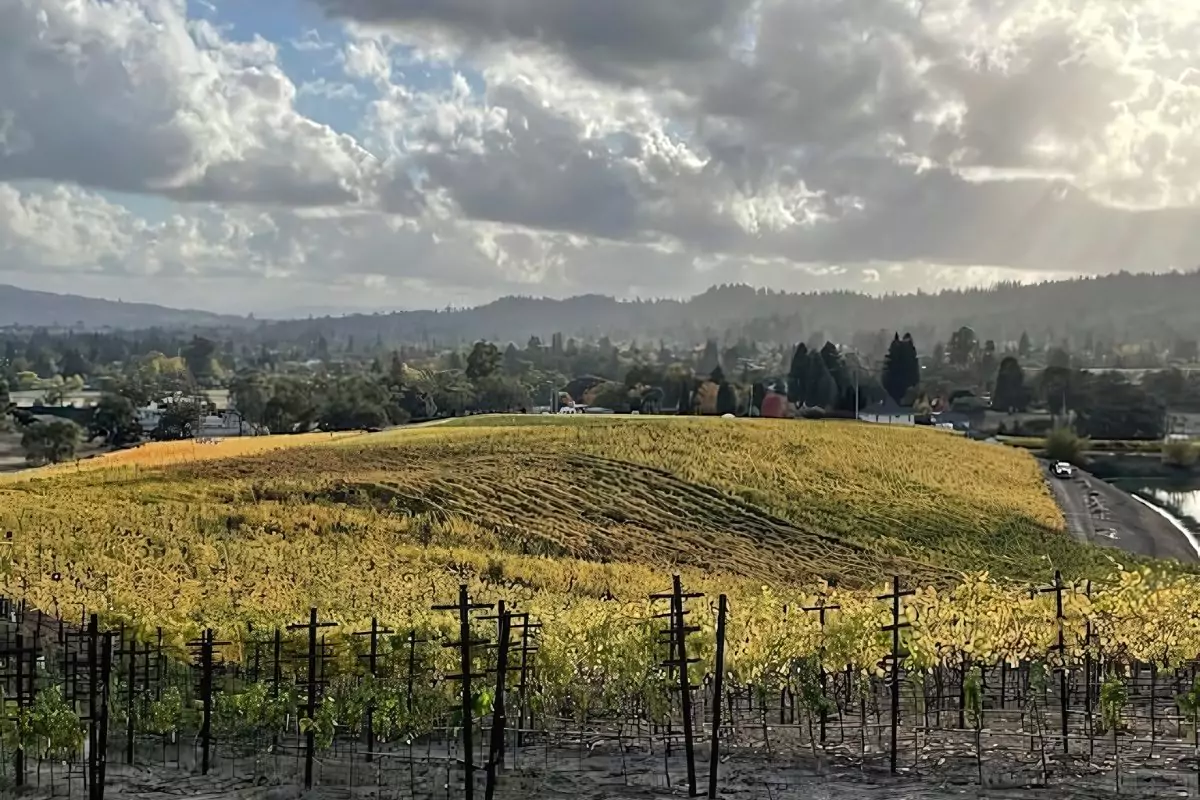
One of Sonoma County’s defining features is its diverse climate. The region spans coastal areas, inland valleys, and mountainous terrain, each with its own microclimate. Cool fog rolling in from the Pacific Ocean allows grapes to ripen slowly, preserving acidity and enhancing complexity.
This diversity enables Sonoma to grow multiple grape varietals successfully. While some regions specialize in a narrow range of grapes, Sonoma thrives on versatility. As a result, the best varietals from Sonoma Valley include both traditional Bordeaux-style grapes and Burgundy-inspired varietals.
Soil composition and terroir
Sonoma’s soils are equally diverse, ranging from volcanic rock to sandy loam. This soil variation contributes to the concept of terroir, which refers to the environmental factors that influence a wine’s character. Winemakers often select vineyard sites based on soil composition, elevation, and sun exposure to ensure optimal grape development.
Overview of Sonoma’s Most Celebrated Varietals
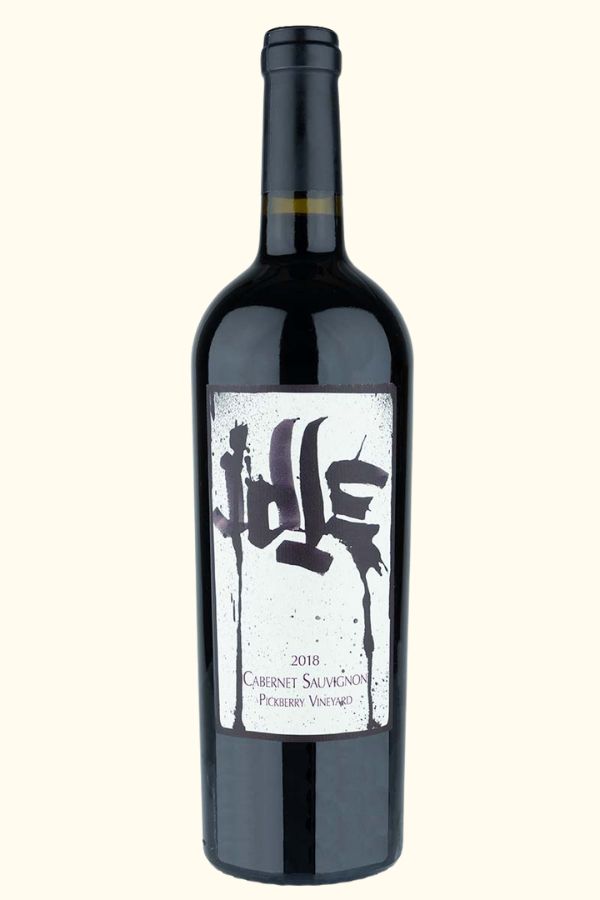
Cabernet Sauvignon remains one of the most recognized varietals in Sonoma County. Known for its bold structure, dark fruit flavors, and aging potential, it thrives in warmer inland areas. These wines often exhibit notes of blackcurrant, cedar, and spice.
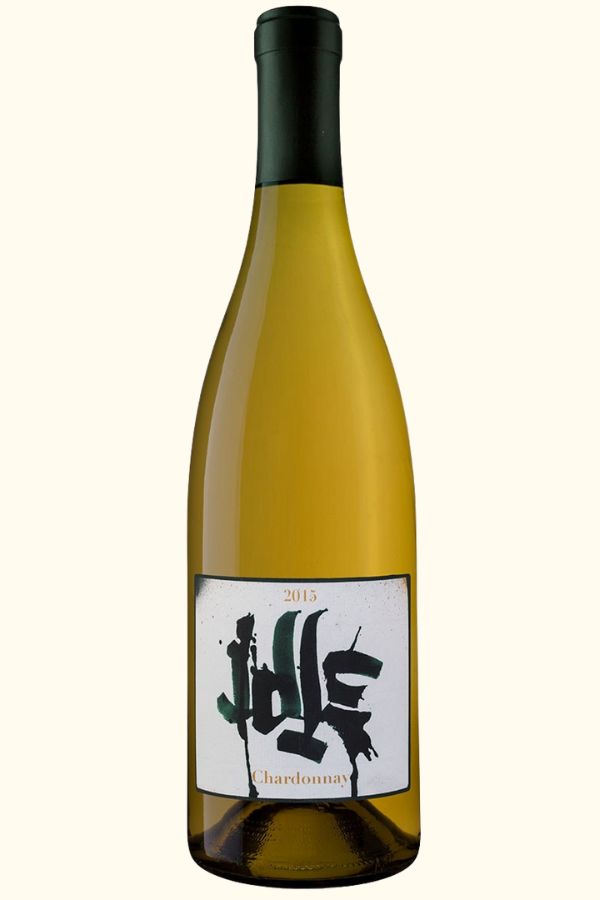
Chardonnay is Sonoma’s flagship white wine. Coastal vineyards produce crisp, mineral-driven Chardonnays, while inland areas yield richer, oak-influenced expressions. This versatility makes Chardonnay one of the most widely planted varietals in the region.
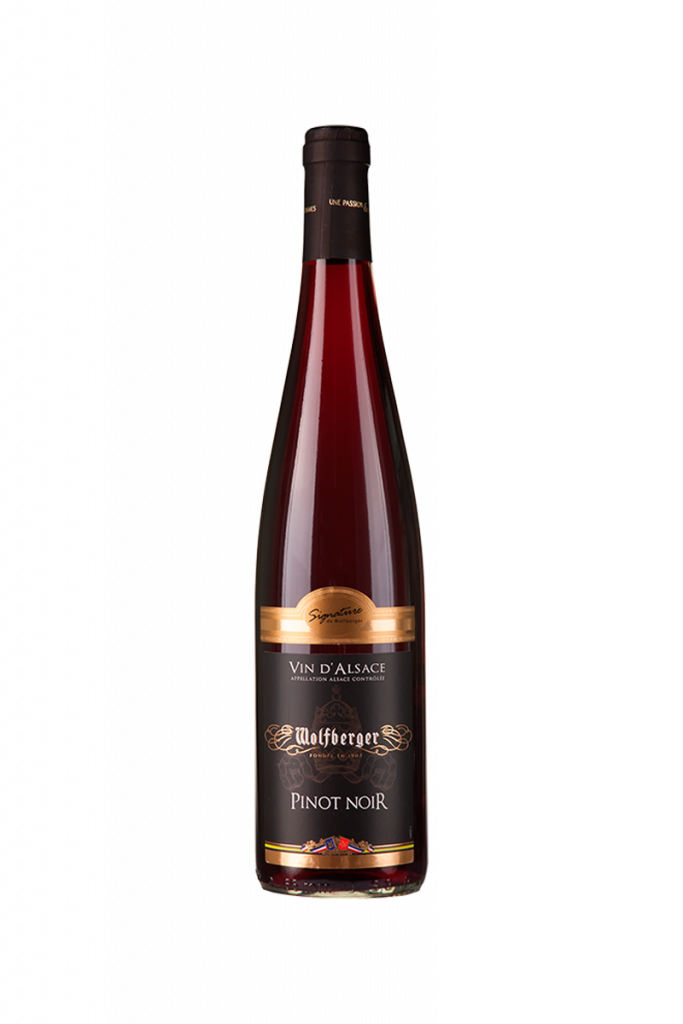
Pinot Noir
Pinot Noir flourishes in Sonoma’s cooler zones. Its delicate structure and bright acidity make it a favorite among those seeking elegant, nuanced wines. Sonoma Pinot Noir often displays red fruit flavors, floral aromas, and subtle earthy undertones.
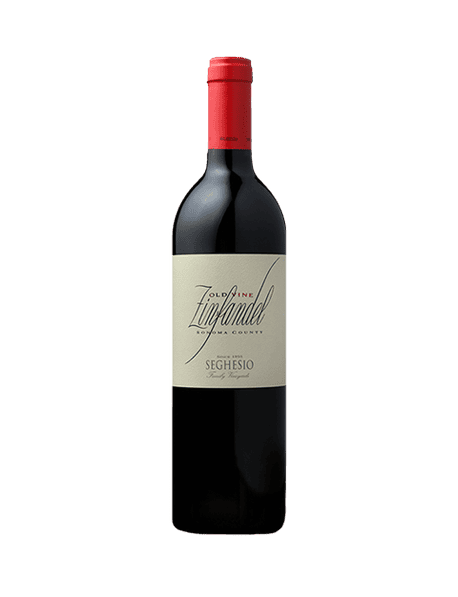
Zinfandel
Zinfandel has a long history in Sonoma County. Known for its bold fruit character and peppery spice, it reflects the region’s heritage and is often associated with old-vine vineyards.
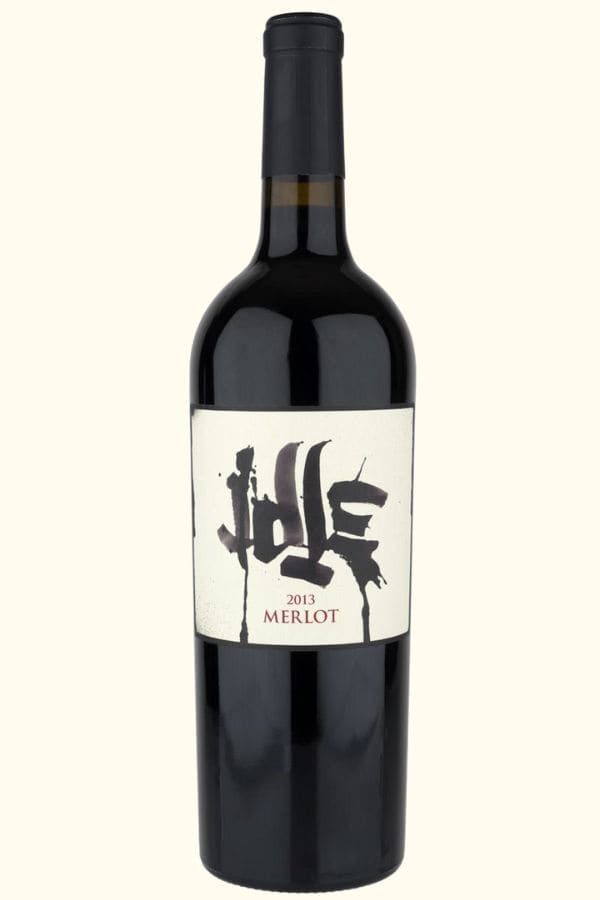
Merlot offers a softer alternative to Cabernet Sauvignon. It produces wines with plush textures and flavors of plum, chocolate, and herbs. Sonoma’s climate allows Merlot to ripen evenly, resulting in balanced wines.
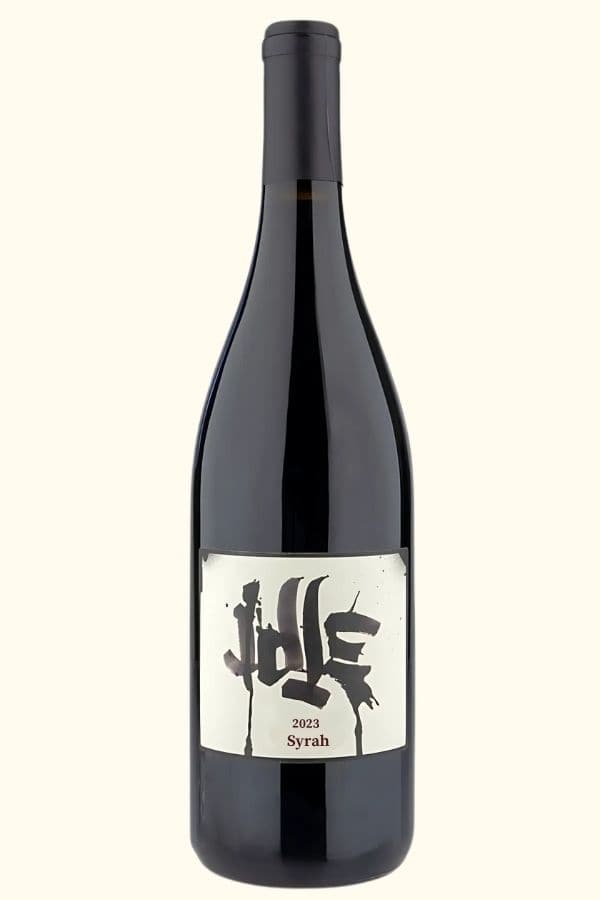
Syrah has gained attention in Sonoma for its expressive and spicy profile. It produces wines with notes of blackberry, smoked meat, and black pepper. Cooler sites create more restrained and elegant styles.
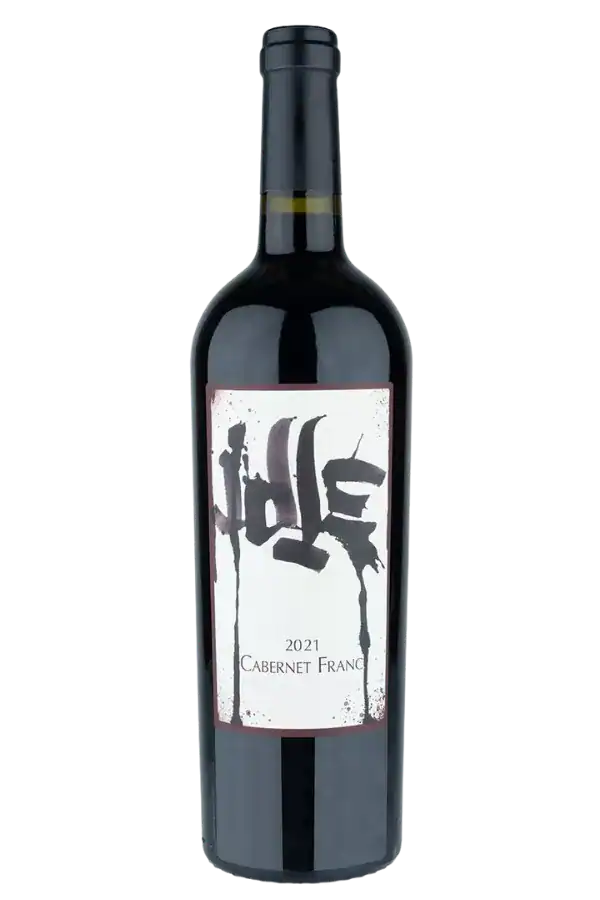
Cabernet Franc has traditionally played a supporting role in Bordeaux blends. However, in Sonoma County, it has emerged as a varietal capable of standing on its own. The grape thrives in moderate climates, making Sonoma’s valleys and hillside vineyards ideal for its cultivation.
Flavor Profile and Structure
Cabernet Franc is known for its aromatic complexity. It often presents notes of raspberry, bell pepper, violet, and subtle spice. Compared to Cabernet Sauvignon, it is lighter in body but more expressive in aroma. This makes it particularly appealing to wine drinkers seeking something refined yet distinctive.
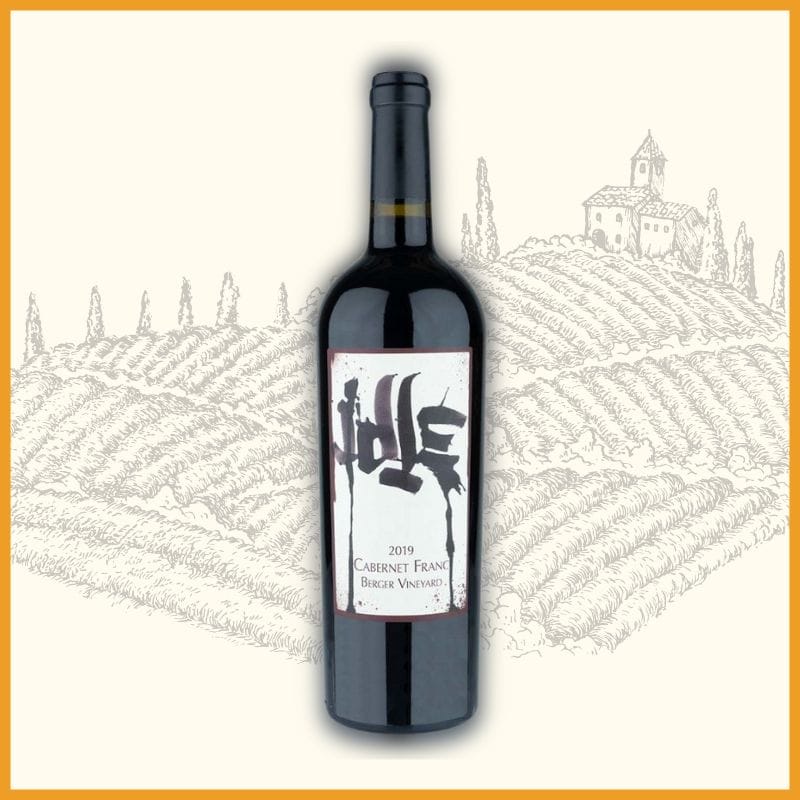
Cabernet Franc from Idle Cellars: A Standout Varietal
Vineyard Selection and Winemaking Approach
Idle Cellars’ Cabernet Franc is sourced from carefully selected vineyards that provide the ideal conditions for this sensitive grape. The winery uses minimal intervention techniques to preserve the grape’s natural aromatics and structure. Fermentation occurs in small batches, allowing for close monitoring and precise adjustments.
Tasting Notes and Food Pairings
The Cabernet Franc from Idle Cellars typically features aromas of red berries, herbs, and subtle oak. On the palate, it offers medium body, balanced acidity, and a smooth finish. These characteristics make it a versatile companion for a range of dishes, including grilled vegetables, poultry, and lighter red meats.
Choosing the Right Sonoma Varietal for Your Taste
Selecting a wine from Sonoma Valley depends largely on personal preference. Those who enjoy bold, structured wines may gravitate toward Cabernet Sauvignon. Fans of lighter, more aromatic styles may prefer Pinot Noir or Cabernet Franc. White wine enthusiasts often choose Chardonnay for its balance and versatility.
Frequently Asked Questions
What are the most popular varietals from Sonoma Valley?
Cabernet Sauvignon, Chardonnay, and Pinot Noir are among the most widely planted and recognized varietals in Sonoma County. However, grapes like Zinfandel and Cabernet Franc are gaining popularity due to their unique flavor profiles.
Why is Cabernet Franc becoming more popular in Sonoma?
Cabernet Franc thrives in Sonoma’s moderate climate, producing wines with balanced acidity and complex aromas. Its versatility in both blends and single-varietal wines has increased its appeal.
Is Sonoma Valley better than Napa Valley for certain wines?
Sonoma and Napa each have their strengths. Sonoma’s cooler climate allows for a wider range of varietals, while Napa is known for its bold Cabernet Sauvignon. Many wine drinkers appreciate Sonoma for its diversity and value.
What makes Idle Cellars different from larger wineries?
Idle Cellars focuses on small-batch production, organic practices, and hands-on winemaking. This approach allows for greater control over quality and a more personal connection to each vintage.
How should Cabernet Franc be served?
Cabernet Franc is best served slightly below room temperature, around 60–65°F. This temperature range helps preserve its aromatic complexity and freshness.
Can Cabernet Franc age well?
Yes, high-quality Cabernet Franc, especially from reputable producers, can age for several years. Over time, its flavors evolve to include more earthy and savory notes.